Trend map · Value in the USA · Snapshot, Value in the USA · 17 November 2026
The Changing Meaning of Value in the USA
Shoppers no longer take the price on the shelf, the subscription, or the label on trust. We read value in the US through 30 lenses, the different things it now means, in sources from regulators to Reddit, most from the past year, to find where the idea of a good deal is moving.
The Three Horizons framework, from the futurist Bill Sharpe, reads change as three overlapping systems. We use this system because it shows how new trends emerge within the context of older ones. Horizon 1 is today’s dominant way of doing things, which fades as it loses its fit with a changing world. Horizon 3 is a possible future that fits that world better, visible now only in early examples. Horizon 2 is the turbulent middle, where new moves are made. Left to right is time, from today. A dot’s height shows how strong its horizon is at that moment. For how deep each trend has reached, see the Depth of trends tab.
H1: TodayH2: In transitionH3: Early signs
H1Horizon 1
Price
The price, taken on trust, with catches
Low prices still close the deal, but buyers no longer take them on trust: shrinking packs, register overcharges, scams, deals that train you to wait, and memberships stacked inside memberships.
H2Horizon 2
Proof
Proof I can verify, a product I can keep
Buyers want proof that does not come from the seller: one price for everyone, the fiber on the label, the hours on display, and stuff they can own, fix and resell.
H3Horizon 3
People
Value we make and vouch for together
People are starting to make value outside the market and vouch for it with each other: shared homes across ages, Buy Nothing groups, repair cafés, crowdfunded lab tests.
The trends
When we identify trends, we judge them against news and social sentiment to ensure a buzzy idea actually has substance.
This is a preview of the full report. Complete data, including links to evidence, cases, sources, and communities, are available in the full map.
Evidence keyCompany filings and sitesResearch and dataGovernmentPressSocial posts
H1
Horizon 1 · Dominant, losing fit
Price
The price, taken on trust, with catches
Trend 1.
Wham Bam Thank You Scam: Is that brand a scam? Probably, but shoppers will buy from it anyway when the deal is good enough
H1 · Commerce
Is that brand a scam? Probably, but shoppers will buy from it anyway when the deal is good enough
Selected items1 company · 6 research · 4 government · 4 press · 3 social
Scams are so everywhere that academics have started calling this the scam age. Americans reported losing $15.9 billion to them in 2025, up from $12.5 billion the year before, per the FTC. The twist is that suspicion isn’t stopping anyone from shopping. A third of US adults have bought from a site they thought might be a scam because the price was too good, and for Gen Z it’s half. On Trustpilot, people call one passport service a scam right underneath a star rating the FTC says was faked.
Three HorizonsHorizon 1dominant, losing fit
This trend is dominant. Buying from sites you half-suspect is already normal, but rising losses are wearing it thin.
Pace LayersCommercechanges in years
This is a commerce trend, which changes in years. It is a shopping habit, so it could shift quickly once proof of being real is easy to see.
So what? →
Make proof of being real as visible as the price: a too-good deal now reads as a warning and a gamble at once.
Selected evidence
AARP, Apr 2026
AARP’s fraud survey of 1,696 US adults, fielded by NORC in January 2026. 38% have had money stolen through fraud, and the share is 45% among Black adults and 39% among Hispanic adults.
Clutch survey of 400 US consumers, published February 2026. 48% often see reviews they think are AI-written or manipulated, and 72% trust a review less when they suspect AI. A reviews marketplace's own survey.
Yelp's trust and safety report for 2025, published February 2026. Its automated systems filtered out nearly 500,000 reviews worldwide that looked AI-written.
A New York magazine feature on adult children policing their parents' feeds. Meta's internal projections put $16 billion of its 2024 ad revenue down to scams and prohibited goods, a figure Meta called overly inclusive.
Norton's survey of holiday shoppers, September 2026. 35% of Americans have bought from a site or seller they thought might be a scam because the deal was too good to pass up, and 65% would buy from an unknown site for the right price. A security vendor's own survey.
Digital Democracy Institute of the Americas, Nov 2025
A study of about 3,300 public Spanish-language WhatsApp groups where at least 30% of numbers are US ones, January to September 2025. It found more than 18,400 suspected scam messages, among them fake giveaways in big retailers’ names, fake shops and half-price deals.
Pew survey of US adults, April 2025. 36% say they have bought something online that was counterfeit, or never arrived and wasn't refunded, and 85% call scams a problem on shopping sites and apps.
FTC testimony to Congress on 'the rising scam economy'. Reported losses reached $15.9B in 2025, up from $12B+, while reports grew about 15%: losses are growing faster than complaints.
FTC update on imposter scams, the top reported fraud category. Its Impersonation Rule cases have returned more than $80M to consumers, and 19 sites posing as the FTC itself were taken down.
Katha Pollitt's column 'We're Living in an Age of Scams'. After being defrauded, she counts 'the loss of social trust' among the costs, but would still rather be fooled now and then than stop helping people.
A Museum of Modern Art salon titled 'Why is everything starting to feel more and more like a scam?'. It treated scams as a symptom of failing trust in institutions, with scholar Lana Swartz and scambaiter Kitboga taking part.
FTC fraud figures for 2024. Reported losses rose 25% to $12.5B while the number of reports stayed flat at 2.6M: more of the people reporting had lost money (38%, up from 27%).
FTC report to Congress on older adults. Over-60s reported about $3B lost in 2025, up from $600M in 2020, but the FTC says a few very large losses drove the rise, not more victims.
Trustpilot reviews of GovAssist / Entry LLC, Nov 2026
Trustpilot reviews of passport service GovAssist after the FTC sued it. Recent reviewers write 'Entry LLC is a scam' and 'We were fooled by the website', yet the page still shows a 4.1 'Great' rating.
Rent Out of Shape: For young buyers, ownership now has a family-money entry fee
H1 · Infrastructure
For young buyers, ownership now has a family-money entry fee
Selected items1 company · 1 research · 2 government · 5 press · 4 social
Despite the protestations of the very online, homeownership hasn’t budged: it’s stuck at 65.5%. What has changed is who gets to buy. The median first-time buyer is now 40, a record, and record shares used an inheritance (10%) or paid cash (10%), while a quarter got family help. Without that cushion, the door is harder to open: LGBT households own at 54%, against 66% of others. Renters are taking it to court, where RealPage settlements have hit $360 million. And some renters, millionaires among them, are choosing to stay put.
Three HorizonsHorizon 1dominant, losing fit
This trend is dominant. Family money already decides who buys a first home, and the strain shows in court and among renters who stay put.
Pace LayersInfrastructurechanges in decades
This is an infrastructure trend, which changes in decades. Housing and who can finance it move slowly, so plan for this to hold.
So what? →
Sell to renters as people who may rent for life, and to first buyers as households pooling family money, not as young couples.
Read from
LendingTree · Multifamily Dive · Findings · U.S. Census Bureau · National Association of Realtors · Boston.com · Federal Reserve Bank of St. Louis · RentCafe · Multifamily Executive
Thrift of the Magi: The pressure to overspend moves to the gift
H1 · Commerce
The pressure to overspend moves to the gift
Selected items5 company · 2 research · 1 press · 5 social
The pressure to spend now sits on the gift: 32% feel pushed to overspend on presents. Dollar stores answer with gifts dressed as something pricier, from Dollar Tree jars pitched against Anthropologie glasses to Aldi’s copy of a Williams Sonoma set. The stigma that is left sits where help is visible.
Three HorizonsHorizon 1dominant, losing fit
This trend is dominant. Cheap gifts dressed as pricier ones are standard now, though the stigma has moved, not gone.
Pace LayersCommercechanges in years
This is a commerce trend, which changes in years. Retailers set the pace with each season's lookalikes, so it can move within a few holidays.
So what? →
Help shoppers give well for less without it showing: the shame is in the gift, not the store.
Read from
Stocktwits · NerdWallet · National Retail Solutions · Drive Research · Fox Business · TIME · Associated Press · UVA Darden Report
People talking on Living On The Cheap, Substack, Reddit and TikTok
Can't Trust It: Shoppers have stopped taking the shelf price as the actual price and expect hidden fees
H1 · Commerce
Shoppers have stopped taking the shelf price as the actual price and expect hidden fees
Selected items1 company · 2 research · 2 government · 5 press · 3 social
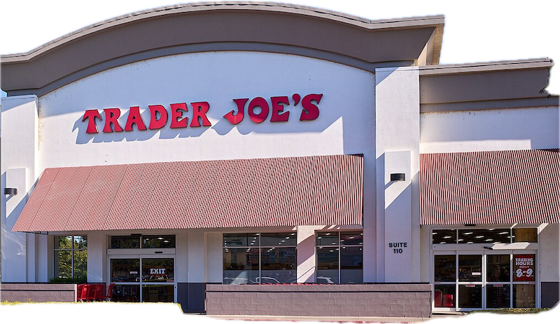
Nobody trusts the shelf price anymore. The FTC and 20 states say Dollar General rings up more than its tags (13 of 58 items in one test) in stores low-income shoppers rely on. This fall’s shrinkflation lists, from Cheer to Lucky Charms, ran long enough to need two parts. Shoppers resent doing unit-price math, some would rather just see an honest price hike, and eight in ten say companies raised prices more than they had to.
Three HorizonsHorizon 1dominant, losing fit
This trend is dominant. Distrust of the shelf price is the norm today, and regulators are pressing on the practices behind it.
Pace LayersCommercechanges in years
This is a commerce trend, which changes in years. Pricing and pack sizes are sellers' choices, so trust could be rebuilt, or lost further, quickly.
So what? →
If the cost must rise, raise the price and say so: a smaller pack under the old price costs more trust than it saves.
Read from
Fox News · Federal Trade Commission · Gallup and Bentley University · Mouse Print · AgriNews (Purdue Consumer Food Insights data) · Dollar General newscenter · CivicScience
People talking on Mouse Print reader comments, YouTube and Bluesky
Not Lovin' It: We've finally hit rock bottom with value meals, as fast food deals have stopped bringing customers back
H1 · Commerce
We've finally hit rock bottom with value meals, as fast food deals have stopped bringing customers back
Selected items4 company · 1 research · 3 press · 3 social
The fast food value war is over, and nobody won. About a third of McDonald’s franchisees didn’t run its under-$3 menu as planned, Wendy’s CEO called deals “value diluting,” and McDonald’s US sales slipped after five quarters of growth. Domino’s customers keep coming but spend less, trained to wait for the next deal. And nearly half of shoppers are eating out less anyway.
Three HorizonsHorizon 1dominant, losing fit
This trend is dominant. The value meal still leads fast food, but it has stopped bringing customers back.
Pace LayersCommercechanges in years
This is a commerce trend, which changes in years. Menus and deals reset often, so chains can change course fast.
So what? →
Stop leading with the lowest price: a deeper deal now trains buyers to wait for the next one.
Read from
Wendy's · Reuters · EY-Parthenon · Restaurant Business · Restaurant Dive · CNBC · The Wall Street Journal
The Tipping Point: Customers are refusing the guilt of the counter tip screen
H1 · Commerce
Customers are refusing the guilt of the counter tip screen
Selected items2 research · 8 press · 3 social
The tip screen turned a thank-you into a test, and customers are opting out. In a March survey 35% cut how often or how much they tip, and the share tipping on takeout fell from 78% in 2022 to 62%. Six in ten feel compelled when a screen asks, and more than a third now type in their own amount. At the table the habit holds: 70% always tip a sit-down server, up from 65%. Where the prompt disappeared, tips collapsed: New York delivery workers lost more than $550 million.
Three HorizonsHorizon 1dominant, losing fit
This trend is dominant. The tip screen is everywhere, but customers are already opting out at the counter.
Pace LayersCommercechanges in years
This is a commerce trend, which changes in years. The screen is a checkout setting businesses can change, while tipping at the table, an older custom, holds.
So what? →
Take the ask off the counter screen, or make no tip the easy button: the prompt now costs more goodwill than it earns.
Read from
Pew Research Center · Tasting Table · ClickOrlando · El Diario NY · Talker Research · Bankrate · KTLA · Restaurant Dive · Bloomberg
I Am a Strange Loop: Like aging athletes who never leave the game, subscribers tend to cancel, come back, and then cancel again
H1 · Commerce
Like aging athletes who never leave the game, subscribers tend to cancel, come back, and then cancel again
Selected items4 company · 2 research · 2 press · 6 social
Churn baby churn. 43% of US consumers canceled a paid streaming service in six months, up from 39%, and among Gen Z it’s 57%. Two-thirds are fed up with price hikes. People treat subscriptions like a revolving door, AI tools included, and when prices rise they bail for media they own or free software. Newsletters are hitting the same wall: when Michael Burry raised his price, readers pushed back until he walked it back within days. Apple is playing defense, building a “wait, stay” offer into every app’s cancel button.
Three HorizonsHorizon 1dominant, losing fit
This trend is dominant. Subscriptions are still how media is sold, but canceling and coming back has become routine.
Pace LayersCommercechanges in years
This is a commerce trend, which changes in years. Plans and prices are redrawn often, so sellers can adapt to customers who cycle.
So what? →
Make leaving easy and coming back easier: a subscriber who cycles is still a customer.
Read from
The Desk · Reviews.org · Stocktwits · Apple Developer News · Deloitte Insights · DoorDash · Nieman Lab
People talking on Bluesky, Reddit, Instagram and TikTok
A Bundle of ... Joy?: Memberships come bundled inside other memberships as the gate tightens
H1 · Commerce
Memberships come bundled inside other memberships as the gate tightens
Selected items3 company · 6 press · 4 social
Memberships now come stacked: Prime includes Uber Eats, DashPass adds Lyft, and Walmart bundles Walmart+ and Sam’s Club for $120. Costco is guarding the door with card scanners while paying newcomers $45 to join, and it’s working: fees are up 11% to $5.9 billion, with 92.3% renewing. But a bundle only saves you money if you’d have bought both anyway, and members notice every perk that’s vanished while the price crept up.
Three HorizonsHorizon 1dominant, losing fit
This trend is dominant. Stacked memberships are today's standard and still renew, but members are counting the perks they lost.
Pace LayersCommercechanges in years
This is a commerce trend, which changes in years. Bundles are deals between companies, so expect the offers to keep shifting.
So what? →
A membership that bundles others must show the sum a single household saves, or it reads as one more subscription.
Shits and Quibbles: Enshittification abounds, and people aren't shy about calling brands out
H2 · Commerce
Enshittification abounds, and people aren't shy about calling brands out
Selected items1 research · 2 government · 7 press · 6 social
Enshittification, the term du jour that joins planned obsolescence, has broken containment from tech and now describes everything from coffee lids to nail polish and Mercedes. You can see the playbook in the cases regulators have brought: Toast slipping hidden fees onto restaurants, and Amazon hitting sellers with ad surcharges of up to 250%, which even Amazon admitted were wrecking their campaigns. But the label doesn’t always stick. Shoppers swore Quince had gone downhill, but testers found nothing of the sort, and a court let its price comparisons stand.
Three HorizonsHorizon 2in transition
This trend is transitional. People now have a word for services getting worse and use it freely, but the charge doesn't always stick.
Pace LayersCommercechanges in years
This is a commerce trend, which changes in years. The complaint lands on fees and feature cuts, which companies can reverse.
So what? →
Before a price rise or a feature cut, say plainly what the customer keeps: the word is ready for anyone who hides it.
Selected evidence
How Things Work (Hamilton Nolan), Jul 2026
An essay in Hamilton Nolan's newsletter on why enshittification persists. 'A quintessential quality of modern American life is the inescapable feeling that once-good things are subtly but surely being degraded.'
Federal Trade Commission (and 22 states), Nov 2026
FTC complaint, now unredacted, alleging Amazon added hidden surcharges of up to 250% to its search-ad auctions. Amazon staff said internally the rises were 'destroying campaign performance'.
Federal Trade Commission (with CO, FL, IL, IA, NE, OK, UT AGs and LA County / San Francisco), Oct 2026
The FTC and seven states sued restaurant-tech firm Toast, alleging surprise add-ons, a $150-a-month early termination fee and a hidden $0.99 fee on diners' online orders. Allegations; the court decides.
The 2025 Axios Harris Poll 100, as reported by Mass Market Retailers. 69% of Americans notice a decline in the quality of everyday items, and blame companies for passing on costs.
Business Insider's testers, after three years of Quince, say its activewear 'hasn't pilled, stretched out, or faded'. No decline found; Insider earns on affiliate clicks.
Kieran Hegarty in Internet Histories: 'enshittification', 'techlash' and 'slop' are now the main way the internet's recent history is told. Decline as a story people tell.
A guest essay in Andreessen Horowitz's newsletter arguing enshittification is not real. It cites satisfaction scores for social media rising from 70 to 75 out of 100 between 2020 and 2025. A tech investor's own newsletter.
Cory Doctorow's Pluralistic quotes a lifetime subscriber to a receipt-scanning app: an update replaced a button he used with an ad for the company's $40-a-year AI tools.
Bluesky · @cbourne.bsky.social · "I’m so tired of having to cancel subscriptions to once excellent journals because journalism is so bad now.", Nov 2026
A reader canceling over quality, not price: the journals were 'once excellent'.
The Price of Admission: Cities and states are banning discriminatory pricing
H2 · Governance
Cities and states are banning discriminatory pricing
Selected items2 company · 1 research · 2 government · 5 press · 3 social
Pricing you by your personal data is on its way out. Seattle has banned it for big grocers, New Jersey has signed a ban, and New York City is drafting what would be the fifth US ban. The FTC has ordered nine companies to explain how loyalty data sets their prices. Walmart is publicly swearing its digital shelf tags won’t price by person, and independent grocers are making it a pitch: same price for everyone in the aisle.
Three HorizonsHorizon 2in transition
This trend is transitional. Bans on personal pricing are spreading city by city, but most shoppers aren't covered yet.
Pace LayersGovernancechanges in decades
This is a governance trend, which changes in decades. Once it is written into law, one price for everyone will be slow to undo.
So what? →
Say in plain words that your price is the same for every shopper: it is becoming a selling point before it is a legal duty.
Read from
Next Big Idea Club · Consumer Reports · Inside Privacy · National Grocers Association · Gizmodo · Federal Trade Commission · Governing · FMI · OtherWords
Game of Owns: Buyers are demanding to own what they paid for, from games to car features
H2 · Commerce
Buyers are demanding to own what they paid for, from games to car features
Selected items3 government · 6 press · 4 social
Buyers want to own what they pay for, and sellers and governors keep saying no. Sony will stop making discs for new PlayStation games in 2028 and calls a purchase “a personal license”. New York’s governor vetoed a ban on monthly fees for car features already built in, though three in four drivers won’t pay them, and the bill is back. In Congress, the Power to the Players Act would make buying a game mean owning it. The catch: convenience still wins. The boycott of Sony’s move went nowhere.
Three HorizonsHorizon 2in transition
This trend is transitional. Buyers want to own what they pay for, but convenience still wins and sellers keep saying no.
Pace LayersCommercechanges in years
This is a commerce trend, which changes in years. License terms are business decisions, so this turns on what sellers offer next.
So what? →
Let buyers pass on and resell what they bought: a transferable purchase is worth more than a cheaper license.
Read from
New York State Senate · Life With Machines · Game File · BGR (Cox Automotive data) · Office of Rep. Ritchie Torres · The eBook Reader · New York Focus · TheGamer
People talking on Goodreads, Hacker News, YouTube and Reddit
Parts Unknown: Buy It For Life now means repairable, not unbreakable
H2 · Commerce
Buy It For Life now means repairable, not unbreakable
Selected items4 company · 1 government · 3 press · 3 social
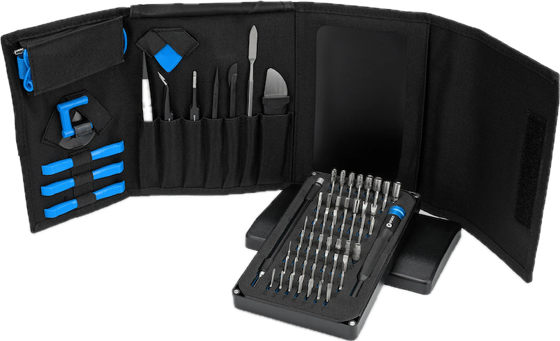
On r/BuyItForLife, the bar has shifted from “will this last forever?” to “can I fix it when it breaks?” The thinking goes: ten good years with spare parts beats something built like a tank that nobody can repair. Recent examples show why people feel this way, like a printer that won’t print black when the yellow cartridge runs dry, or Apple charging $999 to fix its first foldable, more than a brand-new iPhone 17.
Three HorizonsHorizon 2in transition
This trend is transitional. Repairable is replacing unbreakable as the test of quality, while big brands still make repair hard or costly.
Pace LayersCommercechanges in years
This is a commerce trend, which changes in years. Parts, manuals and repair prices are product decisions, so makers can meet this soon.
So what? →
Sell the spare parts and the manual with the product: buyers now judge how long it lasts by how easily it is fixed.
Read from
Associated Press · InsideHook · Apple Support · iFixit News · Federal Trade Commission · American Marketing Association · Consumer Reports
Handy Works: To prove value, brands are putting the hours of craftsmanship required on display
H2 · Fashion
To prove value, brands are putting the hours of craftsmanship required on display
Selected items2 company · 2 research · 7 press · 3 social
This holiday season, brands are selling how things were made. Levi’s says every second of its stop-motion film took four hours to shoot, e.l.f. sculpted each character by hand, and Prada and Dior are showing off hand-drawn animation. There’s science behind it: in experiments, people value the exact same painting more when they’re told a human made it. But once you sell the craft, people start checking your work. Dior’s “hand-drawn” claim had viewers asking which frames software filled in, and Skechers’ ads, which look AI-generated, are getting called cheap.
Three HorizonsHorizon 2in transition
This trend is transitional. Showing the handwork is becoming a way to prove value, but audiences are already checking the claims.
Pace LayersFashion and artchanges in months
This is a fashion trend, which changes in months. It rests on one holiday season's campaigns, so it could move on by next year.
So what? →
Show the hours and the hands, and never claim handwork you did not do: the crowd can tell.
Read from
The Verge · e.l.f. Beauty · Levi Strauss & Co. · Internet Histories · DesignRush · Glossy · Cognitive Research: Principles and Implications · Cartoon Brew · Variety · IN GOOD CO
Wool Me Once ...: Shoppers read the fiber label before the price, and find the pink tax there
H2 · Commerce
Shoppers read the fiber label before the price, and find the pink tax there
Selected items1 company · 2 research · 1 government · 4 press · 3 social
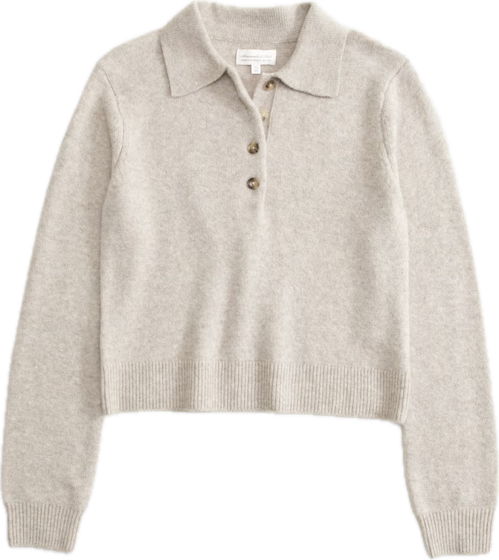
Fabric is the new brand: BCG finds shoppers judge clothes by materials and feel above the label. In October, a TikTok comparing Abercrombie’s $95 polos, 30% merino for women and 100% for men, went viral and got branded a pink tax. Women’s plain white tees run 3% to 20% pricier than men’s. The markup has moved from the price tag into the fiber.
Three HorizonsHorizon 2in transition
This trend is transitional. Shoppers are starting to read the fiber label before the price, and one viral video showed what they find there.
Pace LayersCommercechanges in years
This is a commerce trend, which changes in years. Fabric mix and labeling can change in a few buying seasons, so brands can respond.
So what? →
Print the fiber and the weight where the price is, and make the women's and men's versions the same: buyers are checking.
Read from
USA Today · Yahoo Shopping · Boston Consulting Group with WWD · Complex · The Temple News · Hunton Andrews Kurth · U.S. Government Accountability Office · AlixPartners
People talking on Her Campus at UMass Amherst, TikTok and YouTube
In Reddit We Trust: Shoppers trust real owners' proof over brands and AI
H2 · Culture
Shoppers trust real owners' proof over brands and AI
Selected items4 research · 8 press · 7 social
Shoppers now settle a choice with someone who has used the thing. In a survey Reddit ran of people who use social media, AI tools and shopping sites, half check AI picks on Reddit, and its users trust it for that more than family or friends, 60% to 53%. First-hand experience outweighs critics and influencers, and half of consumers trust online reviews as much as a personal recommendation. Institutions keep sinking: average confidence is 27%, near Gallup's record low.
Three HorizonsHorizon 2in transition
This trend is transitional. Trust is moving from brands and institutions to other buyers, and AI's picks get checked against them.
Pace LayersCulturechanges over generations
This is a culture trend, which changes over generations. Confidence in institutions has been falling for years, so don't expect trust to swing back soon.
So what? →
Put real owners where shoppers can find them: the proof they believe is another buyer's, not yours or the AI's.
Read from
BrightLocal · Garbage Day · Gallup · The Sociology of Business · Boston.com · AARP · SmartCustomer · Reddit · Morning Consult · Pew Research Center
I'll Wear Your Granddad's Clothes: Thrifting may have the sheen of virtue, but price (not environmentalism) rules all
H2 · Commerce
Thrifting may have the sheen of virtue, but price (not environmentalism) rules all
Selected items2 company · 3 research · 5 press · 4 social
Thrift’s green image is mostly a bonus. 76% of regular secondhand buyers say saving money is a big reason, versus 28% for the environment (Pew). Goodwill’s costume shoppers say the same, and ThredUp sells used gifts as unique, not sustainable. And the eco case is shaky: the one national study finds heavy thrifters also buy more new.
Three HorizonsHorizon 2in transition
This trend is transitional. Secondhand is becoming ordinary shopping, chosen on price, as its green image fades into a bonus.
Pace LayersCommercechanges in years
This is a commerce trend, which changes in years. Resale follows prices and platforms, not slow-moving values.
So what? →
Do not sell secondhand as virtue: sell the find and the price, and say honestly what resale displaces.
Read from
Pew Research Center · Emily Chan · ThredUp · Scientific Reports · Goodwill Industries of the Chesapeake · YouGov · Anchorage Daily News · Grist · Business Insider · The U.S. Sun
The Host Is Toast: Amid worry that the dinner party is dying, fewer people host, and those who do drop the performance.
H2 · Culture
Amid worry that the dinner party is dying, fewer people host, and those who do drop the performance.
Selected items4 company · 2 research · 4 press · 5 social
Americans are hosting less: 67% had people over in the past year, down from 88% in 1995. Those still doing it are letting go of the show. Food writers are telling people to make boxed pasta, buy the pie, and send everyone home by nine. Readers say what stops them is being tired and broke, not lacking taste. Still, three in four plan to host something this season, and nearly half will cut corners. Apps are selling the work of bringing strangers together back to us at $19.99 a month.
Three HorizonsHorizon 2in transition
This trend is transitional. The old dinner party is fading, and a smaller, lower-effort way of having people over is taking its place.
Pace LayersCulturechanges over generations
This is a culture trend, which changes over generations. Hosting has declined for thirty years, so this is a slow change in how people live.
So what? →
Sell permission to keep it small: the shortcut, the bought dessert and the early night, not the perfect table.
Read from
Alabama Political Reporter · Upworthy · Axios · Data for Progress · Berkeleyside / Nosh · The Week · Chicory · InsideHook · Skift
People talking on Substack, Tildes, TikTok and YouTube
Vale la Pena: Latino shoppers count tradition as part of the value
H2 · Commerce
Latino shoppers count tradition as part of the value
Selected items4 research · 4 press · 3 social
Hispanic shoppers are stretched: FAU’s sentiment index fell, 79% say costs are up, and nearly half work more than one job or a gig. Even so, 40% say access to traditional foods shapes where they shop, as much as coupons or loyalty perks. Some are still cutting back: 29% plan leaner holidays and 17% will scale down gatherings or traditions.
Three HorizonsHorizon 2in transition
This trend is transitional. Tradition holds as part of value for Latino shoppers, but tight budgets are testing how much of it they keep.
Pace LayersCommercechanges in years
This is a commerce trend, which changes in years. What stores stock and charge decides it, so grocers can win or lose these households quickly.
So what? →
Keep the traditional foods stocked and fairly priced through the holidays: they decide where Latino households shop.
Read from
The Shelby Report · PDG Insights · El Diario NY · Florida Atlantic University Business and Economics Polling Initiative · Abasto (PDG Insights data) · Grocery Dive · Numerator · CSP Daily News
Dress to Impress: Store brands dress up to sell to the well-off
H2 · Commerce
Store brands dress up to sell to the well-off
Selected items1 company · 2 research · 9 press · 5 social
Cheap is no longer shameful: Aldi’s weekly finds are fondly called the “Aisle of Shame”, and Dollar General’s fastest-growing customers are its richest. Store brands take about 17% of the grocery basket at every income level, and more than half of $100K+ households buy them often, versus 42% below that. Lidl is selling 89 gourmet European items under its own label, up to a $120 jamón serrano leg, and Walmart is redesigning 10,000 Great Value packs so people aren’t embarrassed to have them on the shelf.
Three HorizonsHorizon 2in transition
This trend is transitional. Store brands are moving from a mark of thrift to a choice for the well-off, and retailers are redesigning to match.
Pace LayersCommercechanges in years
This is a commerce trend, which changes in years. Ranges and packaging are being redone now, as Walmart's 10,000-pack redesign shows.
So what? →
Treat own-label as a premium line: design and range it for the shopper who could buy anything.
Read from
TheStreet · The Takeout · Retail Dive · Reuters · Grocery Dive · The Shelby Report · Numerator · Target Corporate · Circana · Restaurant Business
Botty Training: Shoppers let AI compare prices but not buy
H2 · Commerce
Shoppers let AI compare prices but not buy
Selected items1 company · 2 research · 7 press · 3 social
40% of US shoppers will use AI this holiday, mostly to compare deals, but few will let it buy. Three-quarters want an agent to stick to brands they know, 15% would follow its lead anywhere, and just 6% would let it check out alone. DoorDash counts a few hundred agent orders against nearly a billion. People still want to see the price and pack size themselves.
Three HorizonsHorizon 2in transition
This trend is transitional. People are not yet willing to let bots make their decisions, but that could change soon.
Pace LayersCommercechanges in years
This is a commerce trend, which changes in years. The line between comparing and buying could move within a few holiday seasons.
So what? →
Be the brand the shopper names to the agent: AI compares, but people still choose whom it may buy from.
Read from
Punch · a16z · DOSS · Ars Technica · Accenture · Mass Market Retailers · The Paypers · Adobe · Fortune
Welcome to Bartertown: Shoppers trade their opinions for goods and cash
H2 · Governance
Shoppers trade their opinions for goods and cash
Selected items4 research · 4 government · 4 press · 4 social
Opinions have become something to trade. Amazon Vine pays reviewers in goods it reports as taxable income, and a third of people earning on survey sites say the money helps with necessities. Labeling the swap does not fix it: a study of Amazon found reviewers given free products rated them higher even when they said so, and 70% feel deceived when a brand deal is hidden. The FTC has punished free products traded for five-star reviews, yet most shoppers still trust reviews.
Three HorizonsHorizon 2in transition
This trend is transitional. Trading opinions for goods and cash is common, but the rules on disclosing it are only now being enforced.
Pace LayersGovernancechanges in decades
This is a governance trend, which changes in decades. A federal rule now sets the terms, so change comes case by case.
So what? →
Say what a reviewer got and let the bad reviews stand: shoppers assume the swap, and punish whoever hides it.
Read from
BrightLocal · The Sociology of Business · Making Sense of Cents · University of Florida News · BBB National Programs · Verasight · Washington State Office of the Attorney General · FTC · Parker Poe · Clutch
1 of 5 openEarly signs are the most valuable part of the map. One is open here; the full reads for the other four are in the full report.
Trend 22.
Mend Me Your Ears: Neighbors line up to give their time at repair cafes and compost drop-offs
H3 · Commerce
Neighbors line up to give their time at repair cafes and compost drop-offs
Selected items1 research · 6 press · 3 social
Fixing and composting run on volunteers, and in cities they’re turning people away. San Francisco’s Mission Repair Cafe accepted 35 of more than 150 volunteer applicants; the city’s first Repair Café fixed 66 of 84 items. Bedford, New York has composted 491 tons in a decade. Just don’t assume the kids are leading it: ages are rarely tracked, small towns run short of fixers, and Vassar’s student compost lasted six weeks.
Three HorizonsHorizon 3emerging
This trend is emerging. Repair cafes and compost drop-offs are few, but in cities more people want to help than there are places.
Pace LayersCommercechanges in years
This is a commerce trend, which changes in years. It replaces what people would buy or throw away, so it can grow fast if the volunteers hold.
So what? →
Back the fixers, not only the events: lend skills, parts and space where the line to volunteer is already long.
Selected evidence
Associated Press (via News4JAX), Nov 2026
AP on schools that compost: a Georgia elementary school composts about 100 lb of scraps a week and cut food waste by nearly a third.
KQED on San Francisco's first Repair Café, which fixed 66 of 84 items in October. The organizer: 'It feels like the neighborhood is really interconnected here.'
BioCycle (relaying ILSR's 2026 Community Composter Mini-Census), Jan 2026
BioCycle on ILSR's community composting census. About 11 new community composting operations a year since 2011, against one a year before, and grant funding is rising.
An LA compost newsletter whose writer runs free community pickup argues for compost on environmental grounds: 'Organic matter, organic matter, organic matter.'
A snapshot of how deep each trend has reached, from the fast layers that get noticed to the slow layers that hold things in place
H1: TodayH2: In transitionH3: Early signs?How to read this map
Pace Layering, from Stewart Brand, reads a society as layers that change at different speeds. Fast layers try new things. Slow layers absorb only some of them, and hold the rest in check. The arrows show that speed: quick and restless at the top, short and heavy at the bottom. Each trend sits in the slowest layer where its evidence shows something has actually changed. A trend that sinks a layer between reviews has gone deeper. Dot colors are each trend's horizon on the What's trending tab. The placements are an editorial reading, approved by number.
This is a first look at one topic. Want this map drawn on your question?
The same trends as What’s trending, grouped by the slowest layer each has reached. Each card adds why it sits there and the next date that could move it.
This is a preview of the full report. Complete data, including links to evidence, cases, sources, and communities, are available in the full map.
Evidence keyCompany filings and sitesResearch and dataGovernmentPressSocial posts
FASHION
Changes in months · 1 trend
Fashion and art
What people make, share and talk about. Fast, loud and easy to reverse.
Trend 13.
Handy Works: To prove value, brands are putting the hours of craftsmanship required on display
H2 · Fashion
To prove value, brands are putting the hours of craftsmanship required on display
Selected items2 company · 2 research · 7 press · 3 social
This holiday season, brands are selling how things were made. Levi’s says every second of its stop-motion film took four hours to shoot, e.l.f. sculpted each character by hand, and Prada and Dior are showing off hand-drawn animation. There’s science behind it: in experiments, people value the exact same painting more when they’re told a human made it. But once you sell the craft, people start checking your work. Dior’s “hand-drawn” claim had viewers asking which frames software filled in, and Skechers’ ads, which look AI-generated, are getting called cheap.
Three HorizonsHorizon 2in transition
This trend is transitional. Showing the handwork is becoming a way to prove value, but audiences are already checking the claims.
Pace LayersFashion and artchanges in months
This is a fashion trend, which changes in months. It rests on one holiday season's campaigns, so it could move on by next year.
So what? →
Show the hours and the hands, and never claim handwork you did not do: the crowd can tell.
Why it sits in fashion and art · changes in months
FASHION
COMMERCE
INFRASTRUCTURE
GOVERNANCE
CULTURE
NATURE
Placed by
Holiday campaigns of one season, read by the fashion trade press Glossy
Next test
Super Bowl LXI ads · 14 February 2027
Read from
The Verge · e.l.f. Beauty · Levi Strauss & Co. · Internet Histories · DesignRush · Glossy · Cognitive Research: Principles and Implications · Cartoon Brew · Variety · IN GOOD CO
Deals, prices and business models: where money has started to move.
Trend 1.
Wham Bam Thank You Scam: Is that brand a scam? Probably, but shoppers will buy from it anyway when the deal is good enough
H1 · Commerce
Is that brand a scam? Probably, but shoppers will buy from it anyway when the deal is good enough
Selected items1 company · 6 research · 4 government · 4 press · 3 social
Scams are so everywhere that academics have started calling this the scam age. Americans reported losing $15.9 billion to them in 2025, up from $12.5 billion the year before, per the FTC. The twist is that suspicion isn’t stopping anyone from shopping. A third of US adults have bought from a site they thought might be a scam because the price was too good, and for Gen Z it’s half. On Trustpilot, people call one passport service a scam right underneath a star rating the FTC says was faked.
Three HorizonsHorizon 1dominant, losing fit
This trend is dominant. Buying from sites you half-suspect is already normal, but rising losses are wearing it thin.
Pace LayersCommercechanges in years
This is a commerce trend, which changes in years. It is a shopping habit, so it could shift quickly once proof of being real is easy to see.
So what? →
Make proof of being real as visible as the price: a too-good deal now reads as a warning and a gamble at once.
FTC fraud losses for 2026 (Consumer Sentinel) · In March 2027
Selected evidence
AARP, Apr 2026
AARP’s fraud survey of 1,696 US adults, fielded by NORC in January 2026. 38% have had money stolen through fraud, and the share is 45% among Black adults and 39% among Hispanic adults.
Clutch survey of 400 US consumers, published February 2026. 48% often see reviews they think are AI-written or manipulated, and 72% trust a review less when they suspect AI. A reviews marketplace's own survey.
Yelp's trust and safety report for 2025, published February 2026. Its automated systems filtered out nearly 500,000 reviews worldwide that looked AI-written.
A New York magazine feature on adult children policing their parents' feeds. Meta's internal projections put $16 billion of its 2024 ad revenue down to scams and prohibited goods, a figure Meta called overly inclusive.
Norton's survey of holiday shoppers, September 2026. 35% of Americans have bought from a site or seller they thought might be a scam because the deal was too good to pass up, and 65% would buy from an unknown site for the right price. A security vendor's own survey.
Digital Democracy Institute of the Americas, Nov 2025
A study of about 3,300 public Spanish-language WhatsApp groups where at least 30% of numbers are US ones, January to September 2025. It found more than 18,400 suspected scam messages, among them fake giveaways in big retailers’ names, fake shops and half-price deals.
Pew survey of US adults, April 2025. 36% say they have bought something online that was counterfeit, or never arrived and wasn't refunded, and 85% call scams a problem on shopping sites and apps.
FTC testimony to Congress on 'the rising scam economy'. Reported losses reached $15.9B in 2025, up from $12B+, while reports grew about 15%: losses are growing faster than complaints.
FTC update on imposter scams, the top reported fraud category. Its Impersonation Rule cases have returned more than $80M to consumers, and 19 sites posing as the FTC itself were taken down.
Katha Pollitt's column 'We're Living in an Age of Scams'. After being defrauded, she counts 'the loss of social trust' among the costs, but would still rather be fooled now and then than stop helping people.
A Museum of Modern Art salon titled 'Why is everything starting to feel more and more like a scam?'. It treated scams as a symptom of failing trust in institutions, with scholar Lana Swartz and scambaiter Kitboga taking part.
FTC fraud figures for 2024. Reported losses rose 25% to $12.5B while the number of reports stayed flat at 2.6M: more of the people reporting had lost money (38%, up from 27%).
FTC report to Congress on older adults. Over-60s reported about $3B lost in 2025, up from $600M in 2020, but the FTC says a few very large losses drove the rise, not more victims.
Trustpilot reviews of GovAssist / Entry LLC, Nov 2026
Trustpilot reviews of passport service GovAssist after the FTC sued it. Recent reviewers write 'Entry LLC is a scam' and 'We were fooled by the website', yet the page still shows a 4.1 'Great' rating.
Thrift of the Magi: The pressure to overspend moves to the gift
H1 · Commerce
The pressure to overspend moves to the gift
Selected items5 company · 2 research · 1 press · 5 social
The pressure to spend now sits on the gift: 32% feel pushed to overspend on presents. Dollar stores answer with gifts dressed as something pricier, from Dollar Tree jars pitched against Anthropologie glasses to Aldi’s copy of a Williams Sonoma set. The stigma that is left sits where help is visible.
Three HorizonsHorizon 1dominant, losing fit
This trend is dominant. Cheap gifts dressed as pricier ones are standard now, though the stigma has moved, not gone.
Pace LayersCommercechanges in years
This is a commerce trend, which changes in years. Retailers set the pace with each season's lookalikes, so it can move within a few holidays.
So what? →
Help shoppers give well for less without it showing: the shame is in the gift, not the store.
Why it sits in commerce · changes in years
FASHION
COMMERCE
INFRASTRUCTURE
GOVERNANCE
CULTURE
NATURE
Placed by
Pressure to overspend on gifts, in a holiday survey of 1,405 adults Drive Research
Next test
NRF holiday sales results for 2026 · In January 2027
Read from
Stocktwits · NerdWallet · National Retail Solutions · Drive Research · Fox Business · TIME · Associated Press · UVA Darden Report
People talking on Living On The Cheap, Substack, Reddit and TikTok
Can't Trust It: Shoppers have stopped taking the shelf price as the actual price and expect hidden fees
H1 · Commerce
Shoppers have stopped taking the shelf price as the actual price and expect hidden fees
Selected items1 company · 2 research · 2 government · 5 press · 3 social
Nobody trusts the shelf price anymore. The FTC and 20 states say Dollar General rings up more than its tags (13 of 58 items in one test) in stores low-income shoppers rely on. This fall’s shrinkflation lists, from Cheer to Lucky Charms, ran long enough to need two parts. Shoppers resent doing unit-price math, some would rather just see an honest price hike, and eight in ten say companies raised prices more than they had to.
Three HorizonsHorizon 1dominant, losing fit
This trend is dominant. Distrust of the shelf price is the norm today, and regulators are pressing on the practices behind it.
Pace LayersCommercechanges in years
This is a commerce trend, which changes in years. Pricing and pack sizes are sellers' choices, so trust could be rebuilt, or lost further, quickly.
So what? →
If the cost must rise, raise the price and say so: a smaller pack under the old price costs more trust than it saves.
Why it sits in commerce · changes in years
FASHION
COMMERCE
INFRASTRUCTURE
GOVERNANCE
CULTURE
NATURE
Placed by
A regulator suit over shelf and register prices in 21,000 stores Federal Trade Commission
Next test
Dollar General's answer to the FTC suit · January to March 2027
Read from
Fox News · Federal Trade Commission · Gallup and Bentley University · Mouse Print · AgriNews (Purdue Consumer Food Insights data) · Dollar General newscenter · CivicScience
People talking on Mouse Print reader comments, YouTube and Bluesky
Not Lovin' It: We've finally hit rock bottom with value meals, as fast food deals have stopped bringing customers back
H1 · Commerce
We've finally hit rock bottom with value meals, as fast food deals have stopped bringing customers back
Selected items4 company · 1 research · 3 press · 3 social
The fast food value war is over, and nobody won. About a third of McDonald’s franchisees didn’t run its under-$3 menu as planned, Wendy’s CEO called deals “value diluting,” and McDonald’s US sales slipped after five quarters of growth. Domino’s customers keep coming but spend less, trained to wait for the next deal. And nearly half of shoppers are eating out less anyway.
Three HorizonsHorizon 1dominant, losing fit
This trend is dominant. The value meal still leads fast food, but it has stopped bringing customers back.
Pace LayersCommercechanges in years
This is a commerce trend, which changes in years. Menus and deals reset often, so chains can change course fast.
So what? →
Stop leading with the lowest price: a deeper deal now trains buyers to wait for the next one.
Why it sits in commerce · changes in years
FASHION
COMMERCE
INFRASTRUCTURE
GOVERNANCE
CULTURE
NATURE
Placed by
Comparable sales and traffic in the chains own quarterly results Reuters
Next test
McDonald's US sales, Q4 2026 results · In February 2027
Read from
Wendy's · Reuters · EY-Parthenon · Restaurant Business · Restaurant Dive · CNBC · The Wall Street Journal
The Tipping Point: Customers are refusing the guilt of the counter tip screen
H1 · Commerce
Customers are refusing the guilt of the counter tip screen
Selected items2 research · 8 press · 3 social
The tip screen turned a thank-you into a test, and customers are opting out. In a March survey 35% cut how often or how much they tip, and the share tipping on takeout fell from 78% in 2022 to 62%. Six in ten feel compelled when a screen asks, and more than a third now type in their own amount. At the table the habit holds: 70% always tip a sit-down server, up from 65%. Where the prompt disappeared, tips collapsed: New York delivery workers lost more than $550 million.
Three HorizonsHorizon 1dominant, losing fit
This trend is dominant. The tip screen is everywhere, but customers are already opting out at the counter.
Pace LayersCommercechanges in years
This is a commerce trend, which changes in years. The screen is a checkout setting businesses can change, while tipping at the table, an older custom, holds.
So what? →
Take the ask off the counter screen, or make no tip the easy button: the prompt now costs more goodwill than it earns.
Why it sits in commerce · changes in years
FASHION
COMMERCE
INFRASTRUCTURE
GOVERNANCE
CULTURE
NATURE
Placed by
What customers do at the counter, in a survey of how they tip Restaurant Dive
Next test
Share of customers tipping on takeout orders (Popmenu) · In April 2027
Read from
Pew Research Center · Tasting Table · ClickOrlando · El Diario NY · Talker Research · Bankrate · KTLA · Restaurant Dive · Bloomberg
I Am a Strange Loop: Like aging athletes who never leave the game, subscribers tend to cancel, come back, and then cancel again
H1 · Commerce
Like aging athletes who never leave the game, subscribers tend to cancel, come back, and then cancel again
Selected items4 company · 2 research · 2 press · 6 social
Churn baby churn. 43% of US consumers canceled a paid streaming service in six months, up from 39%, and among Gen Z it’s 57%. Two-thirds are fed up with price hikes. People treat subscriptions like a revolving door, AI tools included, and when prices rise they bail for media they own or free software. Newsletters are hitting the same wall: when Michael Burry raised his price, readers pushed back until he walked it back within days. Apple is playing defense, building a “wait, stay” offer into every app’s cancel button.
Three HorizonsHorizon 1dominant, losing fit
This trend is dominant. Subscriptions are still how media is sold, but canceling and coming back has become routine.
Pace LayersCommercechanges in years
This is a commerce trend, which changes in years. Plans and prices are redrawn often, so sellers can adapt to customers who cycle.
So what? →
Make leaving easy and coming back easier: a subscriber who cycles is still a customer.
Why it sits in commerce · changes in years
FASHION
COMMERCE
INFRASTRUCTURE
GOVERNANCE
CULTURE
NATURE
Placed by
Cancellations measured twice a year by Deloitte, up on the baseline Deloitte Insights
Next test
Deloitte spring 2027: streaming cancellations · In April 2027
Read from
The Desk · Reviews.org · Stocktwits · Apple Developer News · Deloitte Insights · DoorDash · Nieman Lab
People talking on Bluesky, Reddit, Instagram and TikTok
A Bundle of ... Joy?: Memberships come bundled inside other memberships as the gate tightens
H1 · Commerce
Memberships come bundled inside other memberships as the gate tightens
Selected items3 company · 6 press · 4 social
Memberships now come stacked: Prime includes Uber Eats, DashPass adds Lyft, and Walmart bundles Walmart+ and Sam’s Club for $120. Costco is guarding the door with card scanners while paying newcomers $45 to join, and it’s working: fees are up 11% to $5.9 billion, with 92.3% renewing. But a bundle only saves you money if you’d have bought both anyway, and members notice every perk that’s vanished while the price crept up.
Three HorizonsHorizon 1dominant, losing fit
This trend is dominant. Stacked memberships are today's standard and still renew, but members are counting the perks they lost.
Pace LayersCommercechanges in years
This is a commerce trend, which changes in years. Bundles are deals between companies, so expect the offers to keep shifting.
So what? →
A membership that bundles others must show the sum a single household saves, or it reads as one more subscription.
Why it sits in commerce · changes in years
FASHION
COMMERCE
INFRASTRUCTURE
GOVERNANCE
CULTURE
NATURE
Placed by
Costco fees up 11 percent with renewal flat at 92 percent Costco Wholesale
Next test
Costco US and Canada renewal rate, Q1 FY2027 · In December 2026
Shits and Quibbles: Enshittification abounds, and people aren't shy about calling brands out
H2 · Commerce
Enshittification abounds, and people aren't shy about calling brands out
Selected items1 research · 2 government · 7 press · 6 social
Enshittification, the term du jour that joins planned obsolescence, has broken containment from tech and now describes everything from coffee lids to nail polish and Mercedes. You can see the playbook in the cases regulators have brought: Toast slipping hidden fees onto restaurants, and Amazon hitting sellers with ad surcharges of up to 250%, which even Amazon admitted were wrecking their campaigns. But the label doesn’t always stick. Shoppers swore Quince had gone downhill, but testers found nothing of the sort, and a court let its price comparisons stand.
Three HorizonsHorizon 2in transition
This trend is transitional. People now have a word for services getting worse and use it freely, but the charge doesn't always stick.
Pace LayersCommercechanges in years
This is a commerce trend, which changes in years. The complaint lands on fees and feature cuts, which companies can reverse.
So what? →
Before a price rise or a feature cut, say plainly what the customer keeps: the word is ready for anyone who hides it.
Why it sits in commerce · changes in years
FASHION
COMMERCE
INFRASTRUCTURE
GOVERNANCE
CULTURE
NATURE
Placed by
Users naming the moment a paid service turned, and some leaving Bluesky (1 Nov 2026)
Next test
Ruling on Quince's motion in Mandel v. Last Brand · January to March 2027
Selected evidence
How Things Work (Hamilton Nolan), Jul 2026
An essay in Hamilton Nolan's newsletter on why enshittification persists. 'A quintessential quality of modern American life is the inescapable feeling that once-good things are subtly but surely being degraded.'
Federal Trade Commission (and 22 states), Nov 2026
FTC complaint, now unredacted, alleging Amazon added hidden surcharges of up to 250% to its search-ad auctions. Amazon staff said internally the rises were 'destroying campaign performance'.
Federal Trade Commission (with CO, FL, IL, IA, NE, OK, UT AGs and LA County / San Francisco), Oct 2026
The FTC and seven states sued restaurant-tech firm Toast, alleging surprise add-ons, a $150-a-month early termination fee and a hidden $0.99 fee on diners' online orders. Allegations; the court decides.
The 2025 Axios Harris Poll 100, as reported by Mass Market Retailers. 69% of Americans notice a decline in the quality of everyday items, and blame companies for passing on costs.
Business Insider's testers, after three years of Quince, say its activewear 'hasn't pilled, stretched out, or faded'. No decline found; Insider earns on affiliate clicks.
Kieran Hegarty in Internet Histories: 'enshittification', 'techlash' and 'slop' are now the main way the internet's recent history is told. Decline as a story people tell.
A guest essay in Andreessen Horowitz's newsletter arguing enshittification is not real. It cites satisfaction scores for social media rising from 70 to 75 out of 100 between 2020 and 2025. A tech investor's own newsletter.
Cory Doctorow's Pluralistic quotes a lifetime subscriber to a receipt-scanning app: an update replaced a button he used with an ad for the company's $40-a-year AI tools.
Bluesky · @cbourne.bsky.social · "I’m so tired of having to cancel subscriptions to once excellent journals because journalism is so bad now.", Nov 2026
A reader canceling over quality, not price: the journals were 'once excellent'.
Game of Owns: Buyers are demanding to own what they paid for, from games to car features
H2 · Commerce
Buyers are demanding to own what they paid for, from games to car features
Selected items3 government · 6 press · 4 social
Buyers want to own what they pay for, and sellers and governors keep saying no. Sony will stop making discs for new PlayStation games in 2028 and calls a purchase “a personal license”. New York’s governor vetoed a ban on monthly fees for car features already built in, though three in four drivers won’t pay them, and the bill is back. In Congress, the Power to the Players Act would make buying a game mean owning it. The catch: convenience still wins. The boycott of Sony’s move went nowhere.
Three HorizonsHorizon 2in transition
This trend is transitional. Buyers want to own what they pay for, but convenience still wins and sellers keep saying no.
Pace LayersCommercechanges in years
This is a commerce trend, which changes in years. License terms are business decisions, so this turns on what sellers offer next.
So what? →
Let buyers pass on and resell what they bought: a transferable purchase is worth more than a cheaper license.
Why it sits in commerce · changes in years
FASHION
COMMERCE
INFRASTRUCTURE
GOVERNANCE
CULTURE
NATURE
Placed by
Three in four drivers refuse to pay monthly for features already in the car BGR (Cox Automotive data)
Next test
New York's car-feature subscription bill, S9348A · In January 2027
Read from
New York State Senate · Life With Machines · Game File · BGR (Cox Automotive data) · Office of Rep. Ritchie Torres · The eBook Reader · New York Focus · TheGamer
People talking on Goodreads, Hacker News, YouTube and Reddit
Parts Unknown: Buy It For Life now means repairable, not unbreakable
H2 · Commerce
Buy It For Life now means repairable, not unbreakable
Selected items4 company · 1 government · 3 press · 3 social
On r/BuyItForLife, the bar has shifted from “will this last forever?” to “can I fix it when it breaks?” The thinking goes: ten good years with spare parts beats something built like a tank that nobody can repair. Recent examples show why people feel this way, like a printer that won’t print black when the yellow cartridge runs dry, or Apple charging $999 to fix its first foldable, more than a brand-new iPhone 17.
Three HorizonsHorizon 2in transition
This trend is transitional. Repairable is replacing unbreakable as the test of quality, while big brands still make repair hard or costly.
Pace LayersCommercechanges in years
This is a commerce trend, which changes in years. Parts, manuals and repair prices are product decisions, so makers can meet this soon.
So what? →
Sell the spare parts and the manual with the product: buyers now judge how long it lasts by how easily it is fixed.
Why it sits in commerce · changes in years
FASHION
COMMERCE
INFRASTRUCTURE
GOVERNANCE
CULTURE
NATURE
Placed by
What buyers say makes a thing last, in the main durability forum r/BuyItForLife
Next test
iFixit's final repair score for the iPhone Duo · January to March 2027
Read from
Associated Press · InsideHook · Apple Support · iFixit News · Federal Trade Commission · American Marketing Association · Consumer Reports
Wool Me Once ...: Shoppers read the fiber label before the price, and find the pink tax there
H2 · Commerce
Shoppers read the fiber label before the price, and find the pink tax there
Selected items1 company · 2 research · 1 government · 4 press · 3 social
Fabric is the new brand: BCG finds shoppers judge clothes by materials and feel above the label. In October, a TikTok comparing Abercrombie’s $95 polos, 30% merino for women and 100% for men, went viral and got branded a pink tax. Women’s plain white tees run 3% to 20% pricier than men’s. The markup has moved from the price tag into the fiber.
Three HorizonsHorizon 2in transition
This trend is transitional. Shoppers are starting to read the fiber label before the price, and one viral video showed what they find there.
Pace LayersCommercechanges in years
This is a commerce trend, which changes in years. Fabric mix and labeling can change in a few buying seasons, so brands can respond.
So what? →
Print the fiber and the weight where the price is, and make the women's and men's versions the same: buyers are checking.
Why it sits in commerce · changes in years
FASHION
COMMERCE
INFRASTRUCTURE
GOVERNANCE
CULTURE
NATURE
Placed by
A viral fiber-label video and retail data on cotton callouts Complex
Next test
Abercrombie & Fitch spring 2027 sweaters · In March 2027
Read from
USA Today · Yahoo Shopping · Boston Consulting Group with WWD · Complex · The Temple News · Hunton Andrews Kurth · U.S. Government Accountability Office · AlixPartners
People talking on Her Campus at UMass Amherst, TikTok and YouTube
I'll Wear Your Granddad's Clothes: Thrifting may have the sheen of virtue, but price (not environmentalism) rules all
H2 · Commerce
Thrifting may have the sheen of virtue, but price (not environmentalism) rules all
Selected items2 company · 3 research · 5 press · 4 social
Thrift’s green image is mostly a bonus. 76% of regular secondhand buyers say saving money is a big reason, versus 28% for the environment (Pew). Goodwill’s costume shoppers say the same, and ThredUp sells used gifts as unique, not sustainable. And the eco case is shaky: the one national study finds heavy thrifters also buy more new.
Three HorizonsHorizon 2in transition
This trend is transitional. Secondhand is becoming ordinary shopping, chosen on price, as its green image fades into a bonus.
Pace LayersCommercechanges in years
This is a commerce trend, which changes in years. Resale follows prices and platforms, not slow-moving values.
So what? →
Do not sell secondhand as virtue: sell the find and the price, and say honestly what resale displaces.
Why it sits in commerce · changes in years
FASHION
COMMERCE
INFRASTRUCTURE
GOVERNANCE
CULTURE
NATURE
Placed by
A national survey that asks why people buy secondhand and finds price leads Pew Research Center
Next test
ThredUp 2027 Resale Report · In March 2027
Read from
Pew Research Center · Emily Chan · ThredUp · Scientific Reports · Goodwill Industries of the Chesapeake · YouGov · Anchorage Daily News · Grist · Business Insider · The U.S. Sun
Vale la Pena: Latino shoppers count tradition as part of the value
H2 · Commerce
Latino shoppers count tradition as part of the value
Selected items4 research · 4 press · 3 social
Hispanic shoppers are stretched: FAU’s sentiment index fell, 79% say costs are up, and nearly half work more than one job or a gig. Even so, 40% say access to traditional foods shapes where they shop, as much as coupons or loyalty perks. Some are still cutting back: 29% plan leaner holidays and 17% will scale down gatherings or traditions.
Three HorizonsHorizon 2in transition
This trend is transitional. Tradition holds as part of value for Latino shoppers, but tight budgets are testing how much of it they keep.
Pace LayersCommercechanges in years
This is a commerce trend, which changes in years. What stores stock and charge decides it, so grocers can win or lose these households quickly.
So what? →
Keep the traditional foods stocked and fairly priced through the holidays: they decide where Latino households shop.
Why it sits in commerce · changes in years
FASHION
COMMERCE
INFRASTRUCTURE
GOVERNANCE
CULTURE
NATURE
Placed by
What decides where Hispanic shoppers buy holiday groceries, in a September survey Abasto (PDG Insights data)
Next test
FAU Hispanic Consumer Sentiment Index, Q4 2026 · In January 2027
Read from
The Shelby Report · PDG Insights · El Diario NY · Florida Atlantic University Business and Economics Polling Initiative · Abasto (PDG Insights data) · Grocery Dive · Numerator · CSP Daily News
Dress to Impress: Store brands dress up to sell to the well-off
H2 · Commerce
Store brands dress up to sell to the well-off
Selected items1 company · 2 research · 9 press · 5 social
Cheap is no longer shameful: Aldi’s weekly finds are fondly called the “Aisle of Shame”, and Dollar General’s fastest-growing customers are its richest. Store brands take about 17% of the grocery basket at every income level, and more than half of $100K+ households buy them often, versus 42% below that. Lidl is selling 89 gourmet European items under its own label, up to a $120 jamón serrano leg, and Walmart is redesigning 10,000 Great Value packs so people aren’t embarrassed to have them on the shelf.
Three HorizonsHorizon 2in transition
This trend is transitional. Store brands are moving from a mark of thrift to a choice for the well-off, and retailers are redesigning to match.
Pace LayersCommercechanges in years
This is a commerce trend, which changes in years. Ranges and packaging are being redone now, as Walmart's 10,000-pack redesign shows.
So what? →
Treat own-label as a premium line: design and range it for the shopper who could buy anything.
Why it sits in commerce · changes in years
FASHION
COMMERCE
INFRASTRUCTURE
GOVERNANCE
CULTURE
NATURE
Placed by
Store-brand preference by income in a shopper survey The Shelby Report
Next test
Walmart Q4 results · 18 February 2027
Read from
TheStreet · The Takeout · Retail Dive · Reuters · Grocery Dive · The Shelby Report · Numerator · Target Corporate · Circana · Restaurant Business
Botty Training: Shoppers let AI compare prices but not buy
H2 · Commerce
Shoppers let AI compare prices but not buy
Selected items1 company · 2 research · 7 press · 3 social
40% of US shoppers will use AI this holiday, mostly to compare deals, but few will let it buy. Three-quarters want an agent to stick to brands they know, 15% would follow its lead anywhere, and just 6% would let it check out alone. DoorDash counts a few hundred agent orders against nearly a billion. People still want to see the price and pack size themselves.
Three HorizonsHorizon 2in transition
This trend is transitional. People are not yet willing to let bots make their decisions, but that could change soon.
Pace LayersCommercechanges in years
This is a commerce trend, which changes in years. The line between comparing and buying could move within a few holiday seasons.
So what? →
Be the brand the shopper names to the agent: AI compares, but people still choose whom it may buy from.
Why it sits in commerce · changes in years
FASHION
COMMERCE
INFRASTRUCTURE
GOVERNANCE
CULTURE
NATURE
Placed by
What 4,048 shoppers would let an agent do, with agent orders still in the hundreds Accenture
Next test
Adobe's holiday AI-referred retail traffic · In January 2027
Read from
Punch · a16z · DOSS · Ars Technica · Accenture · Mass Market Retailers · The Paypers · Adobe · Fortune
Mend Me Your Ears: Neighbors line up to give their time at repair cafes and compost drop-offs
H3 · Commerce
Neighbors line up to give their time at repair cafes and compost drop-offs
Selected items1 research · 6 press · 3 social
Fixing and composting run on volunteers, and in cities they’re turning people away. San Francisco’s Mission Repair Cafe accepted 35 of more than 150 volunteer applicants; the city’s first Repair Café fixed 66 of 84 items. Bedford, New York has composted 491 tons in a decade. Just don’t assume the kids are leading it: ages are rarely tracked, small towns run short of fixers, and Vassar’s student compost lasted six weeks.
Three HorizonsHorizon 3emerging
This trend is emerging. Repair cafes and compost drop-offs are few, but in cities more people want to help than there are places.
Pace LayersCommercechanges in years
This is a commerce trend, which changes in years. It replaces what people would buy or throw away, so it can grow fast if the volunteers hold.
So what? →
Back the fixers, not only the events: lend skills, parts and space where the line to volunteer is already long.
Why it sits in commerce · changes in years
FASHION
COMMERCE
INFRASTRUCTURE
GOVERNANCE
CULTURE
NATURE
Placed by
Volunteer places filled and items fixed at new repair cafés SFist (6 Nov 2026)
Next test
ILSR's next composting census · In 2027
Selected evidence
Associated Press (via News4JAX), Nov 2026
AP on schools that compost: a Georgia elementary school composts about 100 lb of scraps a week and cut food waste by nearly a third.
KQED on San Francisco's first Repair Café, which fixed 66 of 84 items in October. The organizer: 'It feels like the neighborhood is really interconnected here.'
BioCycle (relaying ILSR's 2026 Community Composter Mini-Census), Jan 2026
BioCycle on ILSR's community composting census. About 11 new community composting operations a year since 2011, against one a year before, and grant funding is rising.
An LA compost newsletter whose writer runs free community pickup argues for compost on environmental grounds: 'Organic matter, organic matter, organic matter.'
The tools and pipelines the work runs on. Costly to change, so changes stick.
Trend 2.
Rent Out of Shape: For young buyers, ownership now has a family-money entry fee
H1 · Infrastructure
For young buyers, ownership now has a family-money entry fee
Selected items1 company · 1 research · 2 government · 5 press · 4 social
Despite the protestations of the very online, homeownership hasn’t budged: it’s stuck at 65.5%. What has changed is who gets to buy. The median first-time buyer is now 40, a record, and record shares used an inheritance (10%) or paid cash (10%), while a quarter got family help. Without that cushion, the door is harder to open: LGBT households own at 54%, against 66% of others. Renters are taking it to court, where RealPage settlements have hit $360 million. And some renters, millionaires among them, are choosing to stay put.
Three HorizonsHorizon 1dominant, losing fit
This trend is dominant. Family money already decides who buys a first home, and the strain shows in court and among renters who stay put.
Pace LayersInfrastructurechanges in decades
This is an infrastructure trend, which changes in decades. Housing and who can finance it move slowly, so plan for this to hold.
So what? →
Sell to renters as people who may rent for life, and to first buyers as households pooling family money, not as young couples.
Why it sits in infrastructure · changes in decades
FASHION
COMMERCE
INFRASTRUCTURE
GOVERNANCE
CULTURE
NATURE
Placed by
Who buys a first home, in the realtors survey of 7,125 buyers National Association of Realtors
Next test
Census homeownership rate, Q3 2027 · In October 2027
Read from
LendingTree · Multifamily Dive · Findings · U.S. Census Bureau · National Association of Realtors · Boston.com · Federal Reserve Bank of St. Louis · RentCafe · Multifamily Executive
Laws, contracts and court rulings: where the rules have started to change.
Trend 10.
The Price of Admission: Cities and states are banning discriminatory pricing
H2 · Governance
Cities and states are banning discriminatory pricing
Selected items2 company · 1 research · 2 government · 5 press · 3 social
Pricing you by your personal data is on its way out. Seattle has banned it for big grocers, New Jersey has signed a ban, and New York City is drafting what would be the fifth US ban. The FTC has ordered nine companies to explain how loyalty data sets their prices. Walmart is publicly swearing its digital shelf tags won’t price by person, and independent grocers are making it a pitch: same price for everyone in the aisle.
Three HorizonsHorizon 2in transition
This trend is transitional. Bans on personal pricing are spreading city by city, but most shoppers aren't covered yet.
Pace LayersGovernancechanges in decades
This is a governance trend, which changes in decades. Once it is written into law, one price for everyone will be slow to undo.
So what? →
Say in plain words that your price is the same for every shopper: it is becoming a selling point before it is a legal duty.
Why it sits in governance · changes in decades
FASHION
COMMERCE
INFRASTRUCTURE
GOVERNANCE
CULTURE
NATURE
Placed by
A city ordinance and a state law in force from 2027 Governing
Next test
New York City Council's vote on Int 891 · January to March 2027
Read from
Next Big Idea Club · Consumer Reports · Inside Privacy · National Grocers Association · Gizmodo · Federal Trade Commission · Governing · FMI · OtherWords
Welcome to Bartertown: Shoppers trade their opinions for goods and cash
H2 · Governance
Shoppers trade their opinions for goods and cash
Selected items4 research · 4 government · 4 press · 4 social
Opinions have become something to trade. Amazon Vine pays reviewers in goods it reports as taxable income, and a third of people earning on survey sites say the money helps with necessities. Labeling the swap does not fix it: a study of Amazon found reviewers given free products rated them higher even when they said so, and 70% feel deceived when a brand deal is hidden. The FTC has punished free products traded for five-star reviews, yet most shoppers still trust reviews.
Three HorizonsHorizon 2in transition
This trend is transitional. Trading opinions for goods and cash is common, but the rules on disclosing it are only now being enforced.
Pace LayersGovernancechanges in decades
This is a governance trend, which changes in decades. A federal rule now sets the terms, so change comes case by case.
So what? →
Say what a reviewer got and let the bad reviews stand: shoppers assume the swap, and punish whoever hides it.
Why it sits in governance · changes in decades
FASHION
COMMERCE
INFRASTRUCTURE
GOVERNANCE
CULTURE
NATURE
Placed by
A federal rule in force and the first cases brought under it FTC
Next test
Tax forms for 2026 Vine reviewers · In January 2027
Read from
BrightLocal · The Sociology of Business · Making Sense of Cents · University of Florida News · BBB National Programs · Verasight · Washington State Office of the Attorney General · FTC · Parker Poe · Clutch
A shared sense of what is right, real and worth paying for. Slow, and it limits the layers above.
Trend 15.
In Reddit We Trust: Shoppers trust real owners' proof over brands and AI
H2 · Culture
Shoppers trust real owners' proof over brands and AI
Selected items4 research · 8 press · 7 social
Shoppers now settle a choice with someone who has used the thing. In a survey Reddit ran of people who use social media, AI tools and shopping sites, half check AI picks on Reddit, and its users trust it for that more than family or friends, 60% to 53%. First-hand experience outweighs critics and influencers, and half of consumers trust online reviews as much as a personal recommendation. Institutions keep sinking: average confidence is 27%, near Gallup's record low.
Three HorizonsHorizon 2in transition
This trend is transitional. Trust is moving from brands and institutions to other buyers, and AI's picks get checked against them.
Pace LayersCulturechanges over generations
This is a culture trend, which changes over generations. Confidence in institutions has been falling for years, so don't expect trust to swing back soon.
So what? →
Put real owners where shoppers can find them: the proof they believe is another buyer's, not yours or the AI's.
Why it sits in culture · changes over generations
FASHION
COMMERCE
INFRASTRUCTURE
GOVERNANCE
CULTURE
NATURE
Placed by
Confidence in institutions, in a national poll run every year Gallup
Next test
Gen Z's brand trust gap (Morning Consult Most Trusted Brands) · In June 2027
Read from
BrightLocal · Garbage Day · Gallup · The Sociology of Business · Boston.com · AARP · SmartCustomer · Reddit · Morning Consult · Pew Research Center
The Host Is Toast: Amid worry that the dinner party is dying, fewer people host, and those who do drop the performance.
H2 · Culture
Amid worry that the dinner party is dying, fewer people host, and those who do drop the performance.
Selected items4 company · 2 research · 4 press · 5 social
Americans are hosting less: 67% had people over in the past year, down from 88% in 1995. Those still doing it are letting go of the show. Food writers are telling people to make boxed pasta, buy the pie, and send everyone home by nine. Readers say what stops them is being tired and broke, not lacking taste. Still, three in four plan to host something this season, and nearly half will cut corners. Apps are selling the work of bringing strangers together back to us at $19.99 a month.
Three HorizonsHorizon 2in transition
This trend is transitional. The old dinner party is fading, and a smaller, lower-effort way of having people over is taking its place.
Pace LayersCulturechanges over generations
This is a culture trend, which changes over generations. Hosting has declined for thirty years, so this is a slow change in how people live.
So what? →
Sell permission to keep it small: the shortcut, the bought dessert and the early night, not the perfect table.
Why it sits in culture · changes over generations
FASHION
COMMERCE
INFRASTRUCTURE
GOVERNANCE
CULTURE
NATURE
Placed by
Entertaining at home measured against 1995, down 21 points Data for Progress
Next test
Data for Progress repeats its hosting question · October to December 2027
Read from
Alabama Political Reporter · Upworthy · Axios · Data for Progress · Berkeleyside / Nosh · The Week · Chicory · InsideHook · Skift
People talking on Substack, Tildes, TikTok and YouTube
The trends say what is moving. Visual codes show how: the labels, materials, colors and packaging that signal value, and where they now turn up. Here is one code from this map, gathered and decoded by hand: how store brands borrow premium cues.
Gathered and decoded by hand · Dr. Natalie Edwards
Own-label CPG brands emergently borrow the semiotic cues of higher-priced category players – on-pack, on-shelf and in marketing. Products are positioned as premium indulgences, not low-cost alternatives to better-quality variants; they’re pleasurable, and valuable, in and of themselves.
Value here means appropriating established and category-conventional codes of luxury and elevated experience at a product and packaging level – while staying affordable and therefore accessible to regular shoppers.
This is one code from one map. We read the visual codes for your industry, your brand or a single product: what your category signals now, where those signals are moving, and where you sit against them.
360 items of evidence from 227 sources and 5 platforms.
Sources are anything and everything people consume on a daily basis: socials, news outlets, company documents, research firms, magazines, trade associations, data, government agencies and newsletters, each vetted before use.
How we choose posts. The posts under “What people are saying” are picked by hand. They show that a conversation exists and how it sounds; they are not a sample, and we don’t count them as proof. We prefer posts from the map’s month, written by people describing their own experience. Each trend needs at least three accounts in two places, and we include people who disagree.
No brand paid to appear on this map.
1. We look first, then choose our sources.
Before we build a feed, we survey the topic by hand and eye, bringing more than 20 years of brand and cultural research to what’s in front of us. For markets outside of the U.S. and U.K., we supplement with guidance from our network of researchers from across the globe. Those first observations become the hypotheses the research has to prove or break.
Each topic then gets its own vetted list of several hundred sources: socials, news outlets, company documents, research firms, magazines, trade associations, data providers, government agencies and newsletters.
2. We name trends and weigh the evidence.
Feeds are captured daily and read on a regular review cycle. A pattern becomes a trend only when enough evidence supports it. One-off stunts and passing fads are dropped. Each trend carries its evidence for and against side by side, plus a read of social sentiment. Nimble human minds and fingers edit and approve everything.
3. We map the change and decode its codes.
What’s trending uses Bill Sharpe’s Three Horizons. Depth of trends uses Stewart Brand’s Pace Layering. Each trend is placed by hand. Dr. Natalie Edwards gathers and decodes the visual codes by hand as well: the materials, colors, shapes and packaging that carry the trends. Each code is tied to the horizon where it lives.
4. We say what it means.
Every trend ends with a “So what?” for brands, and the report opens with our read across all of them.
5. We keep watching.
This report is a snapshot. We log the upcoming dates that could confirm or upend each trend, and we keep monitoring them for ongoing client work. All trend data lives in our own proprietary system.
Why we do fieldwork
The future is embodied. Fieldwork finds the truth.
We created this map with desk research. It's good, but it's only a starting point, because the gap between what people post and how they actually live keeps growing. No amount of online research can close that gap. That's why we go into the stores, homes, events and communities behind the screens.
Where we've worked
US · Mexico · UK · Germany · France · China · India · Indonesia · Brazil · South Korea
This page is a snapshot of one topic. Get the full map of it today, have us map the question your team is facing, or go into the field when a map isn’t enough.
This map, in full
Full Mapping
The whole map, in full: the evidence, cases, sources and dates for all 26 trends, the four early signs read in full, and the depth of every trend, as a report you can share with your team.
Instant PDF download · both maps · all 26 trends · the semiotic read · CSVs for dates and sources
Mapping for a topic or question facing your product(s) or brand(s). More views, more sources, updated on a schedule with readouts for your team on what it means for you.
On-the-ground fieldwork, semiotic analysis, interviews, and time inside the communities to provide original, hand-sourced insights that give you a competitive advantage.
Uses cultural insight to shape innovation, positioning and communications, leading global projects across the US, Latin America, Indonesia and South Korea. PhD in media, gender and cultural theory.